
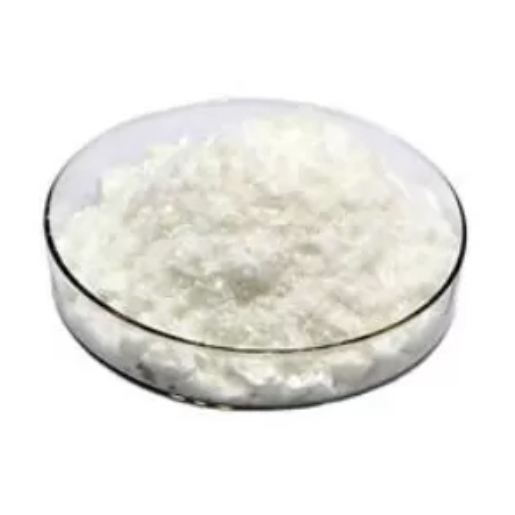
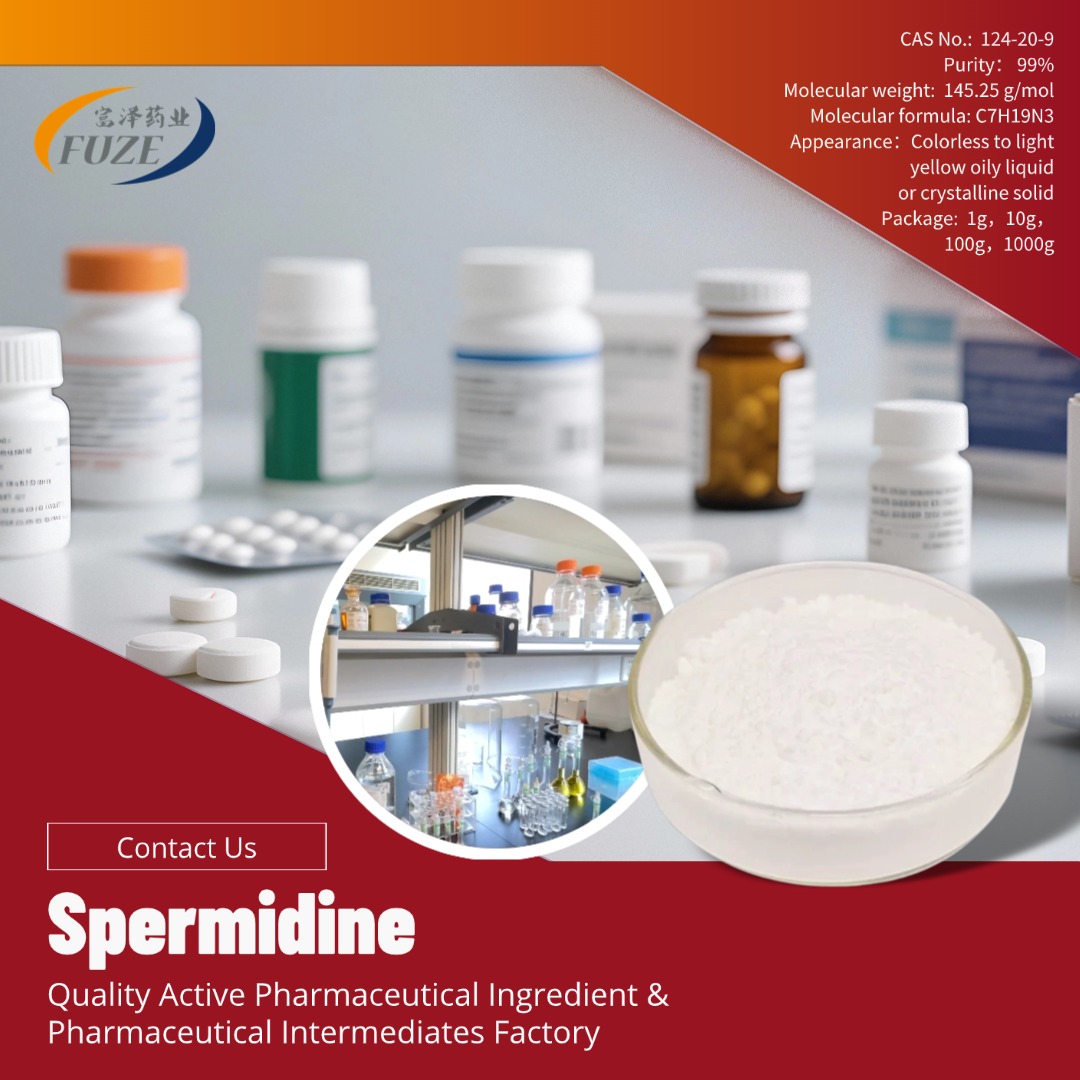
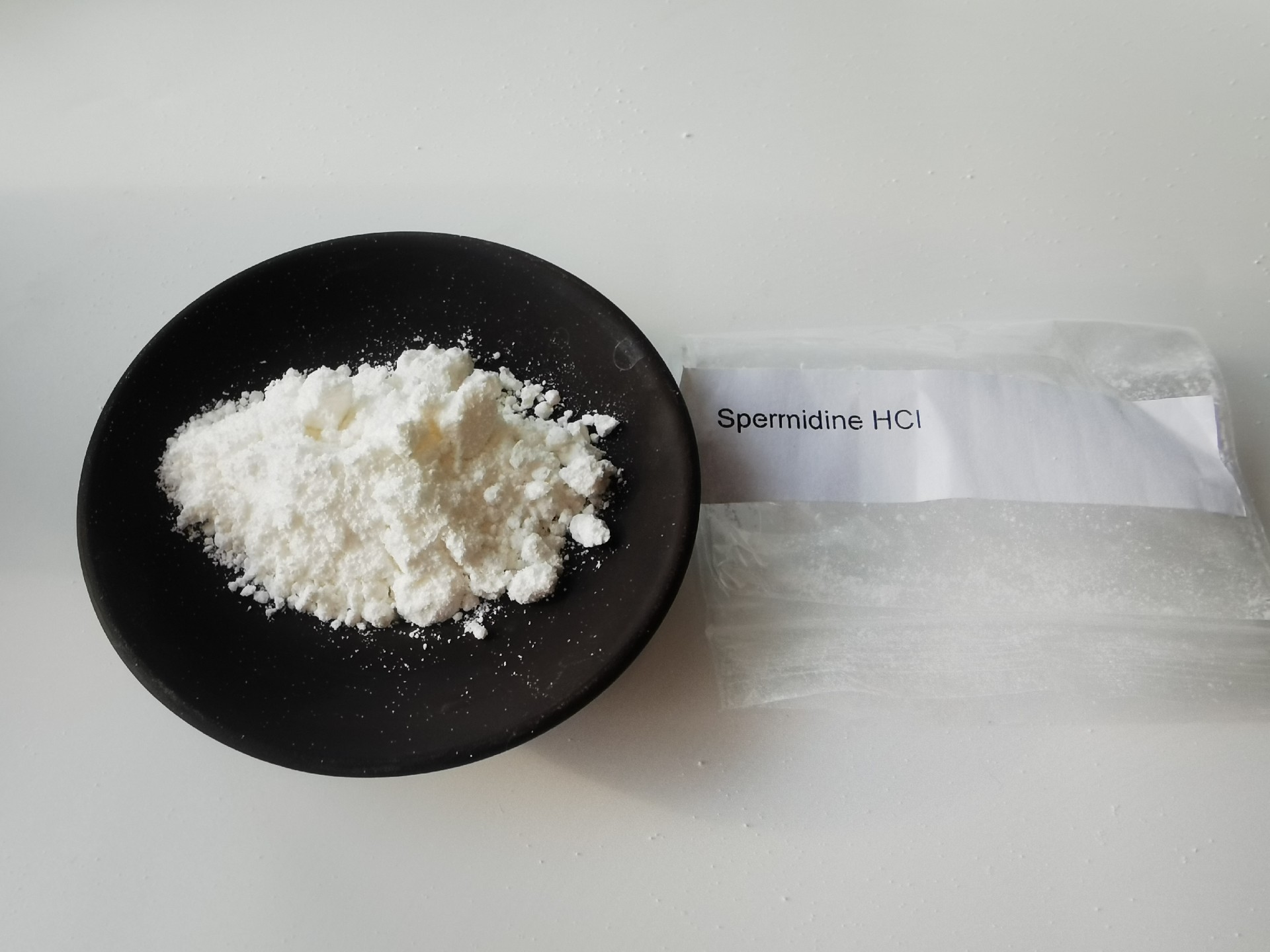
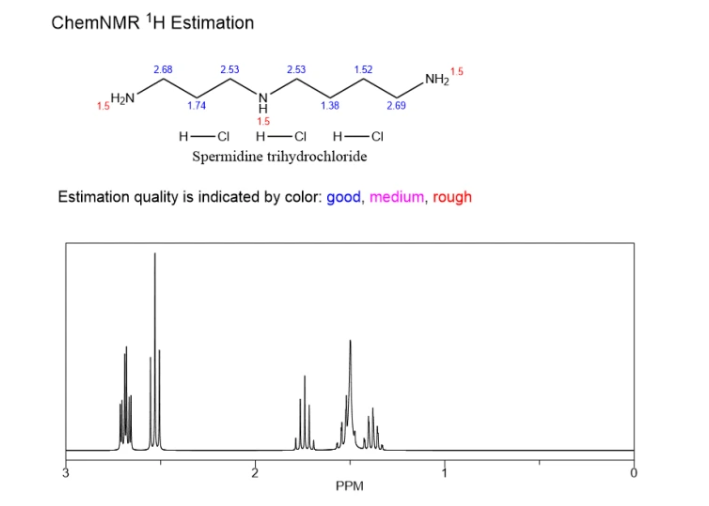
Spermidine trihydrochloride (Cas No. 334-50-9)
Product Name: Spermidine Trihydrochloride
CAS No.: 334-50-9
Molecular Formula: C7H19N3
Molecular Weight: 145.25
Free Sample Quantity: <100 g
Appearance:white powder
Purity: 99%
Package: 100g,1kg,25kg
Product Category: Polyamine active substances
Stability: Stable, but air-sensitive and very hygroscopic - store under argon.
Spermidine trihydrochloride (Cas No. 334-50-9)
Product Name: Spermidine
English Alias: Spermidine
CAS No.: 334-50-9
Molecular Formula: C7H19N3
Molecular Weight: 145.25
Product Category: Polyamine active substances
Nachricht hinterlassen
Wir rufen Sie bald zurück!
Lieber,
Ich interessiere mich für Spermidine trihydrochloride (Cas No. 334-50-9), könnten Sie mir weitere Details wie Typ, Größe, MOQ, Material usw. senden.
Danke!
Warten auf Ihre Antwort.
Spermidine trihydrochloride (Cas No. 334-50-9)
Description:
Spermidine is an endogenous polyamine. It is formed from putrescine by spermidine synthase. It is formed from putrescine by spermidine synthase.
Source:
Spermidine is found in fresh green pepper, wheat germ, cauliflower, broccoli, mushrooms, and a variety of cheeses. Even higher amounts are found in soybean products such as natto, shitake mushrooms, amaranth grain and durian. Some of these ingredients are particularly common in a Mediterranean diet, which may explain why some believe eating like the Spanish can prolong your life.
Uses:
Spermidine can be used in electroporation while transferring the DNA into the cell under the electrical impulse. May be used for purification of DNA-binding proteins. Spermidine is also used, along with calcium chloride, for precipitating DNA onto microprojectiles for bombardment with a gene gun.
Application:
Spermidine serves as a precursor of spermine and essential for both normal and neoplastic tissue growth. It was first detected in human sperm, but occurs widely in nature. It is essential in both normal and neoplastic tissue growth. Spermidine has a role in cell growth processes and the formation and interconversion of spermidine in mammalian cells has been reported. It has been studied in the regulation of tRNA methyltransferase activity and stimulates T4 polynucleotide kinase activity.
Anti-aging and autophagy in cells
Spermidine hydrochloride is a naturally occurring polyamine substance that can induce autophagy in cells, eliminate damaged organelles and proteins, and thereby delay the aging process. Studies have shown that supplementing spermidine can extend the lifespan of experimental animals and improve age-related physiological function decline.
Cardiovascular protection
By lowering the level of plasma homocysteine (Hcy), reducing lipid accumulation in atherosclerotic plaques, inhibiting cardiac hypertrophy, improving diastolic function, and reducing the risk of cardiovascular diseases. In addition, spermidine can also enhance angiogenesis ability and has potential therapeutic value for ischemic cardiovascular diseases.
Metabolic regulation
Promote the absorption and utilization of glucose, regulate mitochondrial energy metabolism, improve insulin resistance, and reduce liver steatosis caused by a high-fat diet, thereby alleviating obesity and metabolic disorders.
Neural protection
It participates in the signal transduction of glial cells, regulates neuronal development and synaptic transmission, combates neuropathy, and may delay the progression of neurodegenerative diseases (such as Alzheimer's disease).
Immune regulation
By regulating the production of white blood cells and the clearance of reactive oxygen species, it enhances the body's resistance to viruses and diseases, while inhibiting the production of inflammatory factors and alleviating inflammatory responses.
Antioxidant and anti-inflammatory
Directly eliminate free radicals, promote the expression of antioxidant enzymes, inhibit DNA nitrification and PARP1 activation, protect cells from oxidative stress damage, and reduce the release of inflammatory mediators
Definition:
Spermidine is a triamine that is the 1,5,10-triaza derivative of decane. It is a polyamine that is routinely included in restriction enzyme digestions to improve the cleavage efficacy of the DNA. Spermidine counteracts the inhibitory effects of contaminants coisolated with DNA and consequently permits complete digestion of the DNA at lower enzyme concentrations.
Preparation:
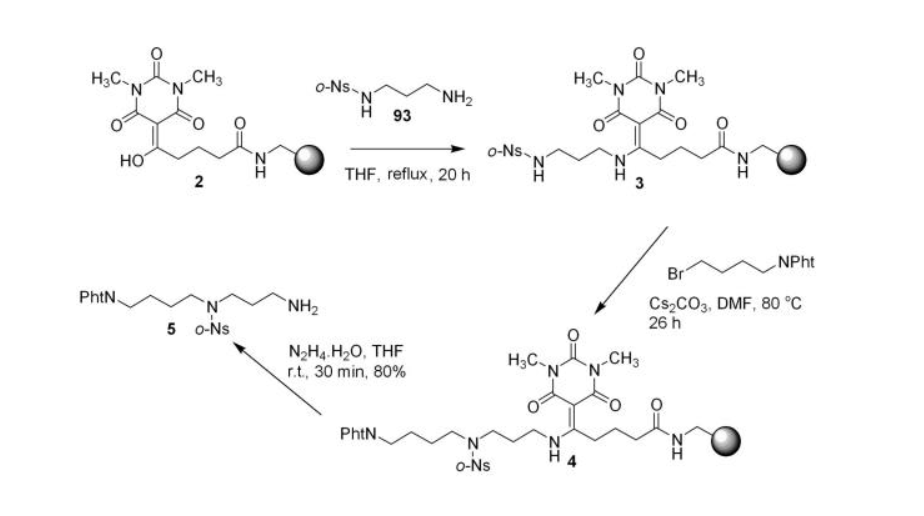
Raw materials:
Tetrahydrofuran-->Lithium Aluminum Hydride-->Sodium hydride-->Di-tert-butyl dicarbonate-->1,4-DIAMINOBUTANE-->3-BROMOPROPIONITRILE-->3-aminopropanal-->Spermine-->N-Ethyl-1,3-propanediamine-->3-(Benzylamino)propylamine-->Benzylamine
Empfohlene Produkte
 Ansicht mehr
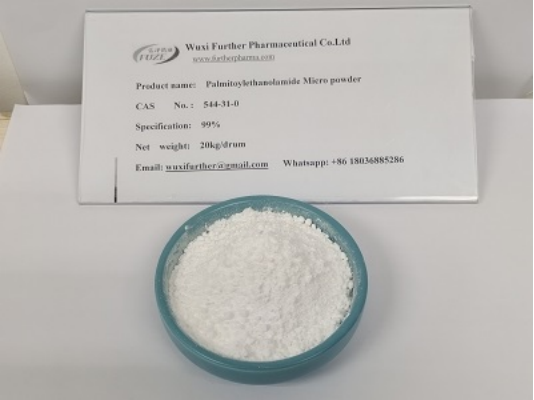
Palmitoylethanolamid
Palmitoylethanolamid
CAS:544-31-0
MF:C18H37NO2
Reinheit:99%
Nachricht hinterlassen
Wir rufen Sie bald zurück!
Lieber,
Ich interessiere mich für Palmitoylethanolamid, könnten Sie mir weitere Details wie Typ, Größe, MOQ, Material usw. senden.
Danke!
Warten auf Ihre Antwort.
Ansicht mehr
Palmitoylethanolamid mikronisiert
Palmitoylethanolamid mikronisiert
CAS:544-31-0
MF:C18H37NO2
Reinheit:99%
Verpackung: 20 kg/Fasertrommel
Nachricht hinterlassen
Wir rufen Sie bald zurück!
Lieber,
Ich interessiere mich für Palmitoylethanolamid mikronisiert, könnten Sie mir weitere Details wie Typ, Größe, MOQ, Material usw. senden.
Danke!
Warten auf Ihre Antwort.
 Ansicht mehr
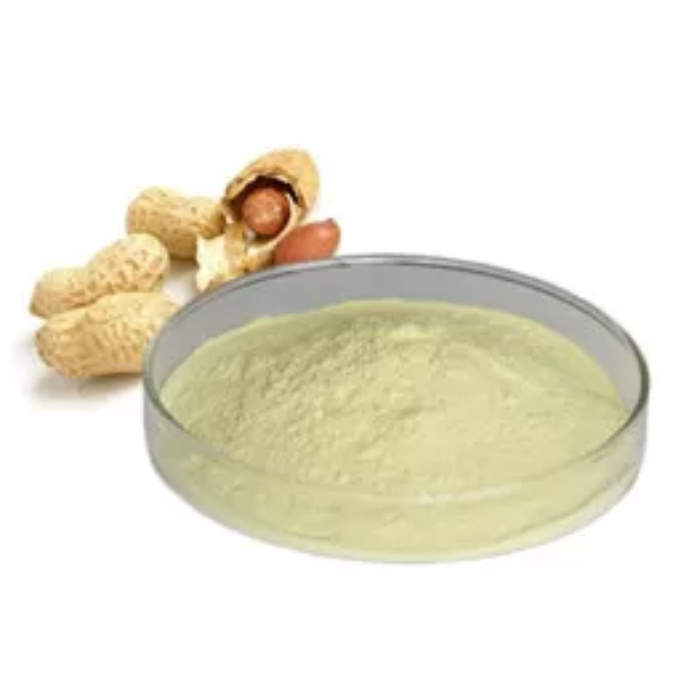
Luteolin Cas 491-70-3 Diätetische Flavonoid Antioxidans entzündungshemmende natürliche Pflanzenextra
Luteolin Cas 491-70-3 Diätetische Flavonoid Antioxidans entzündungshemmende natürliche Pflanzenextra
Farbe: Gelb
Form:Pulver
MF:C15H10O6
MW:286.24
Nachricht hinterlassen
Wir rufen Sie bald zurück!
Lieber,
Ich interessiere mich für Luteolin Cas 491-70-3 Diätetische Flavonoid Antioxidans entzündungshemmende natürliche Pflanzenextra, könnten Sie mir weitere Details wie Typ, Größe, MOQ, Material usw. senden.
Danke!
Warten auf Ihre Antwort.
 Ansicht mehr
Pterostilbene CAS 537-42-8 Anti-Krebs entzündungshemmendes Kräuterextrakt Nahrungsergänzungsmittel
Pterostilbene CAS 537-42-8 Anti-Krebs entzündungshemmendes Kräuterextrakt Nahrungsergänzungsmittel
Reinheit: 99 % HPLC
MF:C16H16O3
MW:256.3
Stabilität: Ab Kaufdatum 2 Jahre haltbar. Lösungen in DMSO oder Ethanol können bei -20° bis zu 1 Woche gelagert werden.
Nachricht hinterlassen
Wir rufen Sie bald zurück!
Lieber,
Ich interessiere mich für Pterostilbene CAS 537-42-8 Anti-Krebs entzündungshemmendes Kräuterextrakt Nahrungsergänzungsmittel, könnten Sie mir weitere Details wie Typ, Größe, MOQ, Material usw. senden.
Danke!
Warten auf Ihre Antwort.
KONTAKTIEREN SIE UNS JEDERZEIT
86--18036885286
1699 Huishan Avenue, Huishan Economic Development Zone, Wuxi City, Jiangsu Province, China


Schicken Sie uns Ihre Untersuchung direkt
